
Rockwool Substrate: The Foundation for Successful Plant Growing
Rockwool substrate is the most widely used growing medium in professional horticulture. Discover why growers worldwide choose rockwool as substrate for hydroponics and greenhouse cultivation.
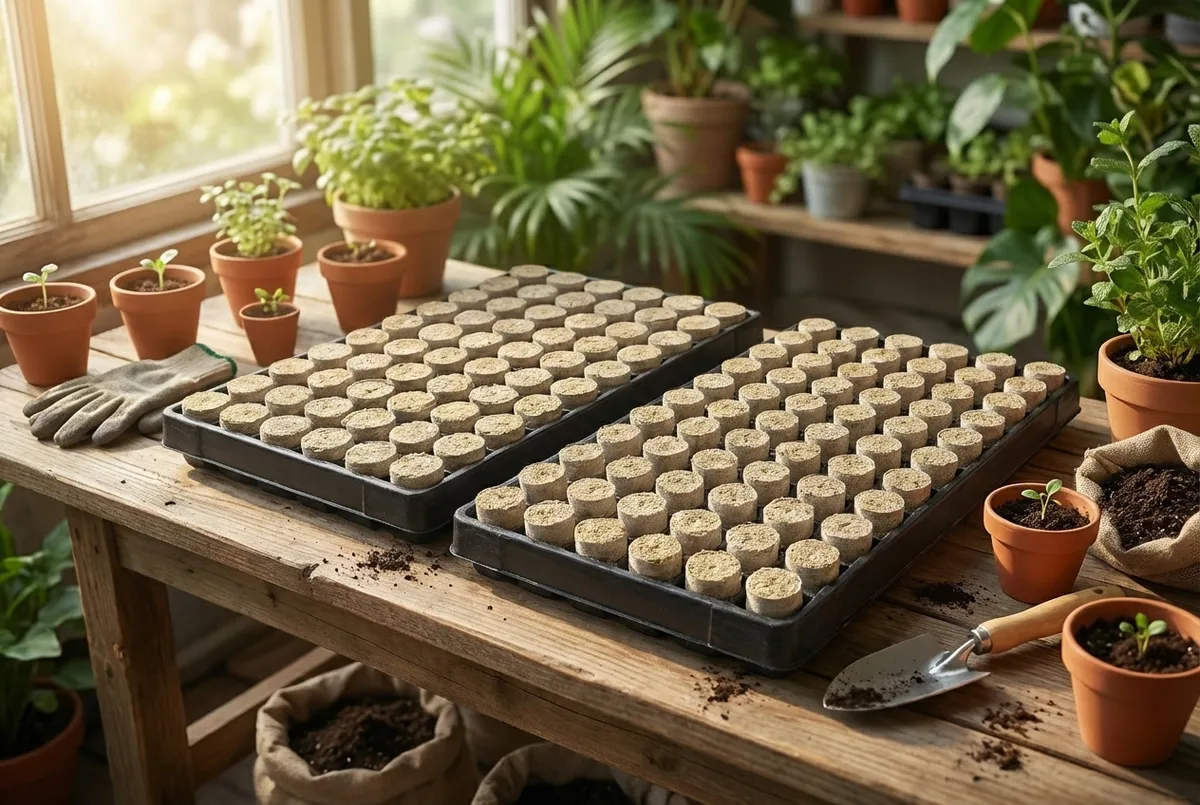
What is Rockwool Substrate?
Rockwool substrate, also known as stone wool or mineral wool, is an artificial growing medium made from molten basalt rock. By melting the rock at extreme temperatures and spinning it into fine fibers, a light and water-retaining material is created that is ideal for plant cultivation.
As a substrate, rockwool offers a perfect balance between water and air management. The fibrous structure provides excellent drainage while retaining sufficient moisture for optimal root growth.
In greenhouse cultivation and hydroponics, rockwool substrate has become indispensable. From seedling to harvest - rockwool supports every growth phase with consistent quality and reliable results.
Benefits of Rockwool as Substrate
Perfect Water Management
Rockwool substrate retains up to 80% water while 20% air remains available for roots. This ideal ratio prevents both dehydration and root rot.
Sterile Growing Environment
Rockwool is naturally sterile and free from weed seeds, fungi and bacteria. This reduces disease pressure and the need for chemical control.
Predictable Results
Due to the uniform structure, each rockwool substrate block behaves identically. This enables precise dosing of water and nutrients.
pH-Neutral & Inert
Rockwool is chemically inert and does not affect the nutrient solution. After buffering, the pH remains stable for optimal nutrient uptake.
Sustainable & Recyclable
Used rockwool substrate can be recycled into insulation material or soil improver. A circular solution for modern cultivation.
Fast Root Development
The open structure of rockwool stimulates fast and healthy root growth, leading to stronger plants and higher yields.
Types of Rockwool Substrate
Rockwool Plugs
Small cylinders for seedlings and cuttings. Ideal for the propagation phase before plants are transferred to larger blocks.
More info →Rockwool Blocks
Larger blocks for the growth and production phase. Available in various sizes depending on the crop and growing system.
More info →Rockwool Slabs
Long slabs for row cultivation of tomatoes, cucumbers and peppers. Multiple plants per slab for efficient space utilization.
More info →Rockwool vs. Other Substrates
| Property | Rockwool | Coco | Perlite |
|---|---|---|---|
| Water retention | Excellent | Good | Moderate |
| Air circulation | Excellent | Good | Excellent |
| pH stability | Excellent | Moderate | Good |
| Reusability | Limited | Limited | Good |
| Price | Medium | Low | Medium |
| Uniformity | High | Variable | High |
Applications of Rockwool Substrate
Frequently Asked Questions about Rockwool Substrate
Does rockwool substrate need to be pre-treated?
Yes, new rockwool substrate should be buffered by soaking it for 24 hours in a nutrient solution with pH 5.5. This neutralizes the naturally high pH of rockwool.
How long does rockwool substrate last?
In professional cultivation, rockwool is usually used for 1 growing season. The structure remains stable, but hygiene considerations make replacement desirable.
Is rockwool substrate environmentally friendly?
Rockwool is recyclable and made from natural rock. Many suppliers offer collection and recycling for used rockwool.
Can I combine rockwool with other substrates?
Yes, rockwool plugs are often used in combination with coco or potting soil. The plug protects the young root during transplanting.
Get Started with Rockwool Substrate
Discover our range of rockwool plugs and trays with FP 12+ technology. Professional quality for the best growing results.